Medically Guided. Human-Centered. Deeply Integrative.

Residential Aftercare & Integration

What Is Residential Aftercare—and Who Is It For?

Residential aftercare is a structured, supportive phase of care designed for individuals who have completed intensive treatment, navigated serious illness, or experienced major life disruption—but are not yet ready to return fully to independent daily life. It bridges the space between high-intensity clinical care and full reintegration, offering stability, continuity, and guidance during one of the most vulnerable periods in the healing journey.
Unlike primary treatment, residential aftercare does not focus on acute stabilization or crisis intervention. Instead, it supports integration—helping individuals consolidate progress, rebuild daily rhythm, and practice living with support still in place.
Residential aftercare fills a crucial role in the continuum of care: it slows the transition just enough for healing to take root.

Aftercare vs. Treatment vs. Sober Living

These terms are often used interchangeably, but they represent very different levels of care.
Primary treatment (such as inpatient or residential rehab) addresses acute needs, including detoxification, stabilization, intensive therapy, and medical or psychiatric oversight.
Residential aftercare comes after treatment. It assumes medical and emotional stability while continuing structured support, clinical oversight, and guided integration. The emphasis is on pacing, regulation, and real-world readiness—not intensity.
Sober living or transitional housing typically offers peer support and accountability, but minimal clinical oversight or individualized care planning.
Residential aftercare sits between these models—combining structure and clinical guidance without returning to treatment-level intensity.

Why the Transition Period Is the Most Fragile

Leaving intensive treatment or recovering from a major health or life event can be deceptively challenging. While symptoms may have stabilized, new stressors emerge: increased autonomy, reduced support, and pressure to “get back to life.”
This period carries elevated risk for:
Residential aftercare exists to address this gap—offering a contained environment where independence can be practiced gradually, with support still available.
A defining feature of residential aftercare is containment without overwhelm.
Care is structured and predictable, but not intrusive. Support is present, but not consuming. Therapeutic and integrative services are introduced thoughtfully, with an emphasis on regulation, daily functioning, and sustainable rhythms rather than deep or destabilizing work.
This approach supports individuals in:
The goal is not transformation through intensity, but stability through consistency.
True Path is a residential aftercare and integrative healing center operating under licensed naturopathic medical oversight. The program is developed and overseen by a naturopathic physician, providing medical continuity, clinical discernment, and integrative support during the transition from structured treatment back into daily life.
This is not simply a step down in care. It is a bridge—designed to help individuals stabilize, integrate, and re-enter life with greater clarity, resilience, and support.
True Path brings together medical oversight, therapeutic support, integrative modalities, and restorative living into a cohesive whole. Rather than rushing reintegration, we intentionally slow the process, allowing nervous system regulation, emotional integration, and sustainable daily rhythms to take hold.
Each stay is individualized. There is no fixed template—only a thoughtful, responsive structure guided by clinical insight and human care.

Medical oversight is central to the True Path model. A licensed naturopathic physician provides:
This medical framework is complemented by integrative therapies that support physical health, emotional stability, and nervous system regulation. Care is collaborative, measured, and ethically grounded—ensuring safety while honoring the whole person.
When additional or conventional medical services are needed, referrals and coordination are handled seamlessly.
True Path is designed for individuals who:
This program is not acute or crisis care.
It is for those ready to stabilize, integrate, and move forward with intention.
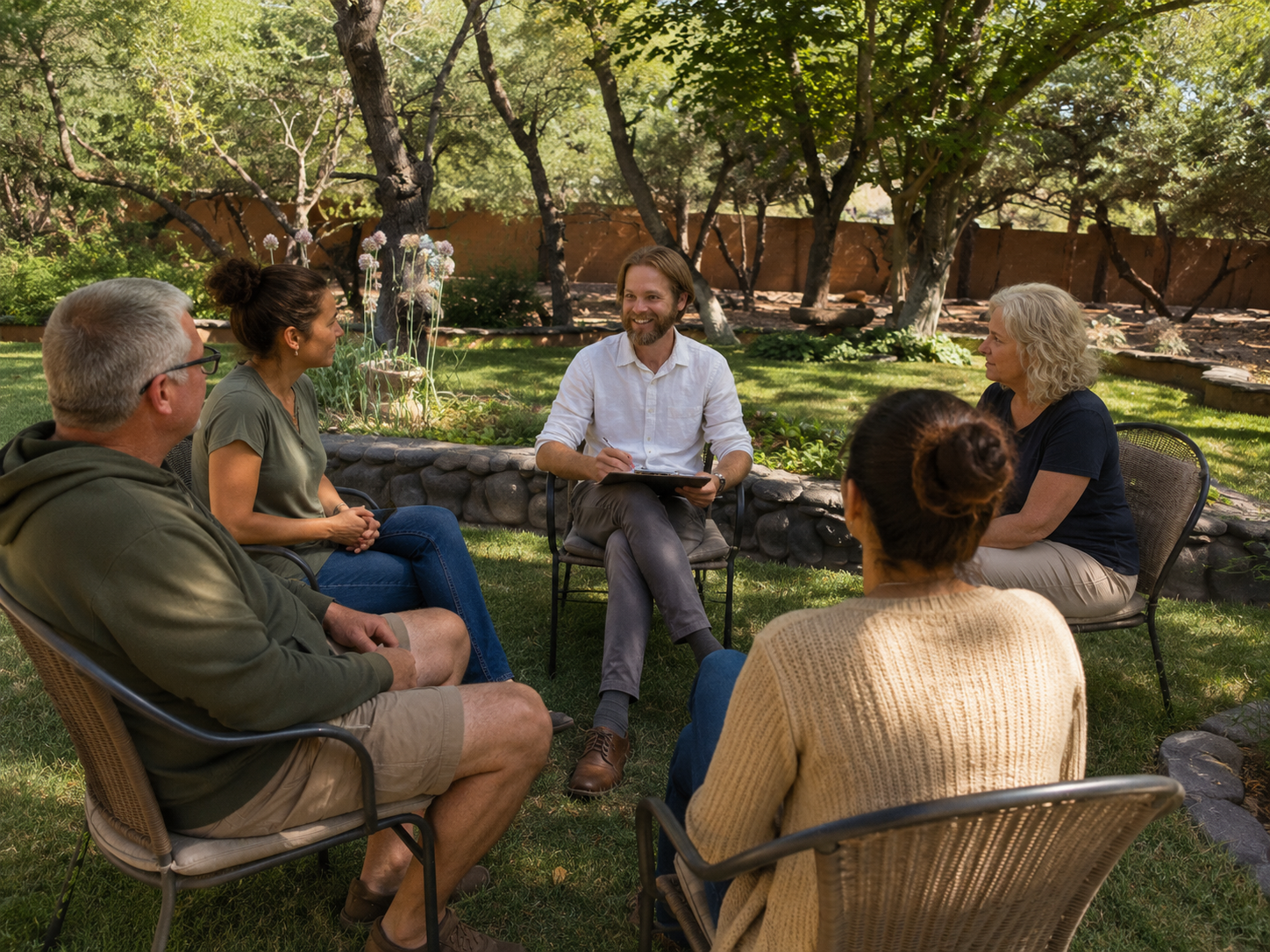
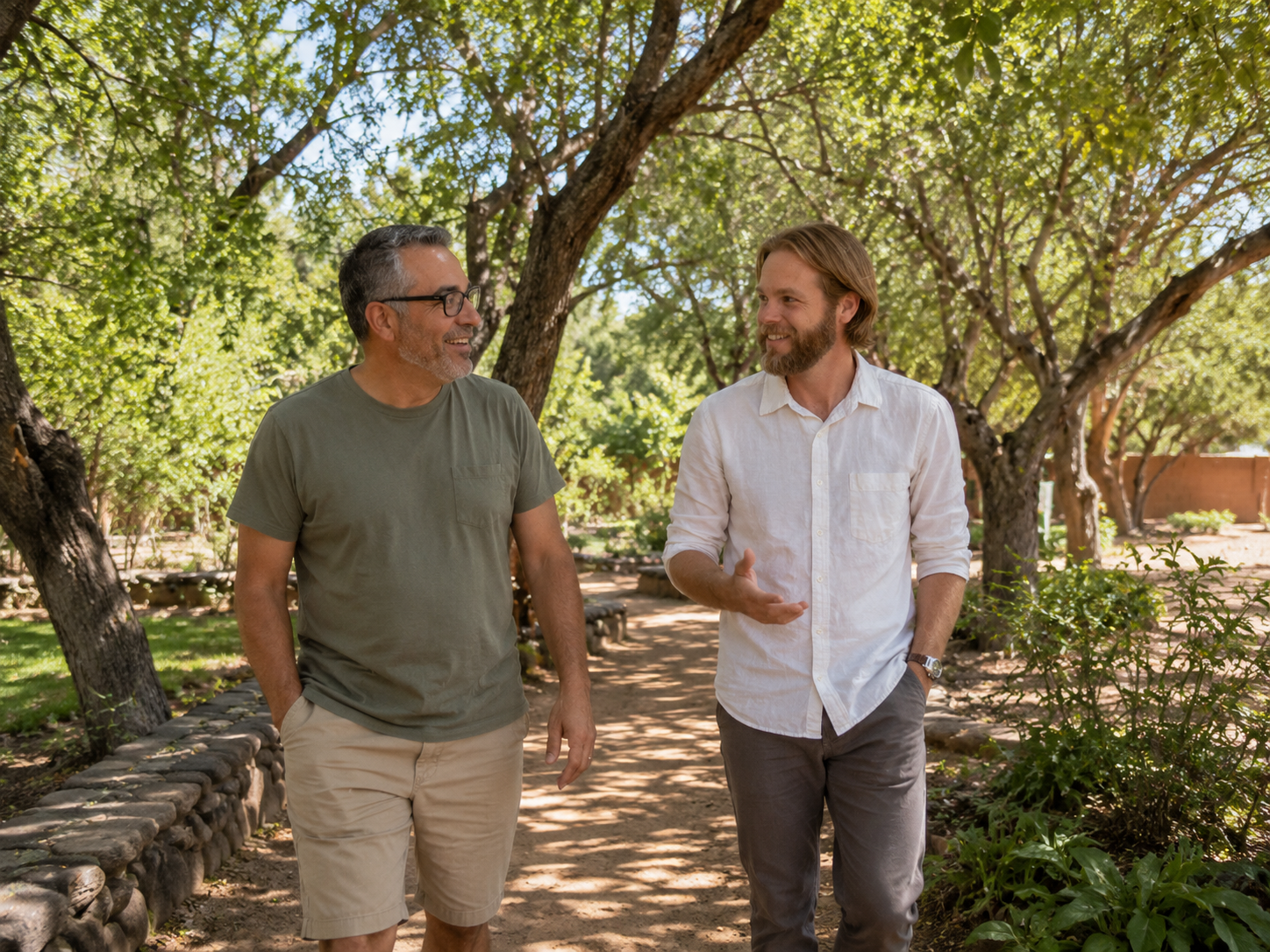
Life at True Path is intentionally spacious and supportive. A typical stay may include:
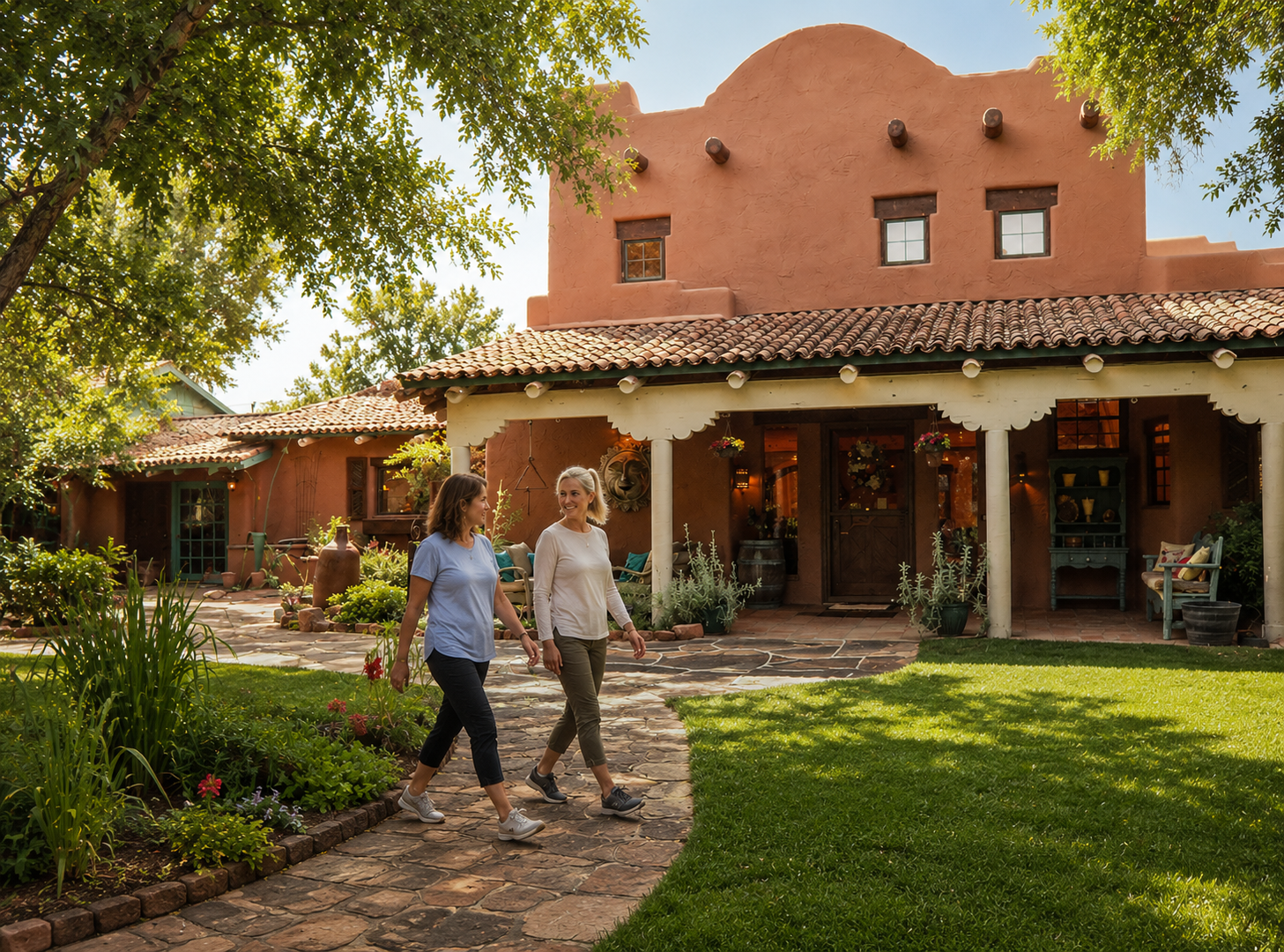
The environment itself is part of the medicine—calm, grounded, and designed to reduce stimulation while increasing internal stability.
Residential aftercare is not meant to be open-ended. It is a purposeful bridge.
Most stays range from four to six weeks, though length of stay is determined collaboratively based on clinical considerations, personal goals, integration readiness, and external life demands. This timeframe allows for:

Applying for Aftercare

True Path accepts a limited number of residents to ensure individualized care and clinical integrity.
The application process includes:

If you or someone you support are seeking a grounded, medically guided environment for meaningful integration, we invite you to begin with a conversation.

No pressure. No rush.
Just clarity about what support best serves your next phase